Monthly Archives: August 2025
-
Posted: August 21, 2025Categories: Genius Tools Articles
 Read more »
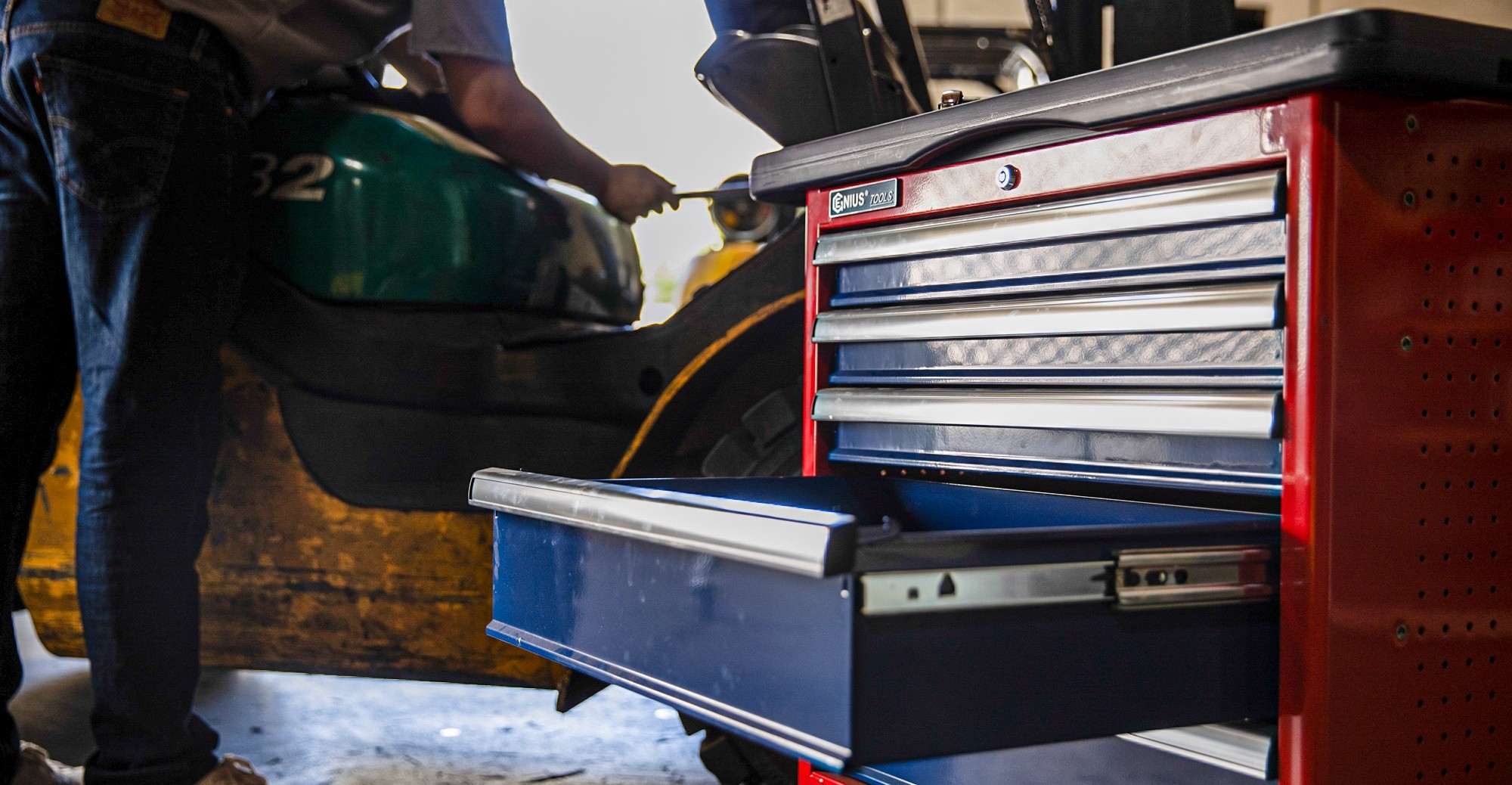
A well-organized tool chest doesn’t just look good — it boosts productivity, saves money on duplicate tools, and enhances safety. Whether you're working in a professional shop or a home garage, smart organization starts with the right layout and the right storage systems. Here’s how to build yours using Genius Tools’ versatile storage solutions.
Start with a System
The foundation of any organized toolbox is grouping by function. Store sockets in one drawer, wrenches in another, and keep pliers and cutters together. This minimizes searching and keeps your workflow clean. Reinforce your system with labeled drawers or color-coded organizers so everyone in the shop — or just your future self — can find the right tool fast.
EVA Foam Trays for Visibility
Genius Tools offers EVA foam trays pre-cut for specific tool sets. These trays keep tools from shifting in the drawer, clearly show when something is missing, and protect edges from unnecessary wear. EVA foam also adds a professional look and
-
Posted: August 12, 2025Categories: Genius Tools Articles
 Read more »
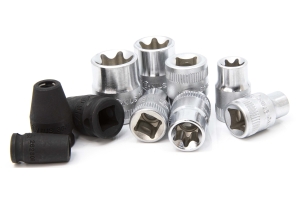
Sockets may look simple, but their geometry plays a critical role in how well they handle torque, access tight spots, and resist wear. Whether you're maintaining a fleet or just doing weekend wrenching, knowing when to reach for the right socket shape — deep, standard, thin wall, or impact — can extend tool life and improve job outcomes.
Standard vs. Deep Sockets
Standard sockets are great for most surface-access fasteners. Deep sockets provide extra reach for bolts with long protruding studs or recessed nuts. Deep sockets are often essential in suspension and transmission work.
Thin Wall Sockets
Thin wall sockets are designed for tight clearance situations — like alloy wheels or recessed engine components. They're usually used with care, as their reduced wall thickness makes them more vulnerable to cracking under heavy load.
Impact Sockets and Torque Load
Impact sockets are made from chrome molybdenum (CR-MO) for flexibility under high torque. Their thicker walls and dull black finish
-
Posted: August 06, 2025Categories: Genius Tools Articles
 Read more »
When working with hand or power tools, selecting the correct drive size is key to efficiency and safety. Drive size determines how much torque you can apply, how compact your setup is, and whether your tools will even fit the job. In this article, we’ll explore the most common drive sizes — 1/4", 3/8", 1/2", and beyond — and where each one shines in real-world mechanic work.
1/4" Drive – Precision for Tight Spaces
Best for low-torque, high-precision jobs, the 1/4" drive is perfect for electronics, dashboard components, and small engine assemblies. It excels in tight spaces and offers better control with lighter fasteners.
3/8" Drive – The Versatile Middle Ground
This is the go-to drive size for general automotive repairs. From valve covers to spark plugs and general under-hood work, a 3/8" drive provides the perfect blend of strength and accessibility.
1/2" Drive – Torque for Suspension & Wheels
When it comes to heavy-duty applications like lug nuts, suspension bolts, and drivetrain work,