Choosing the Right Socket Geometry for Torque Load, Clearance & Tool Life


Sockets may look simple, but their geometry plays a critical role in how well they handle torque, access tight spots, and resist wear. Whether you're maintaining a fleet or just doing weekend wrenching, knowing when to reach for the right socket shape — deep, standard, thin wall, or impact — can extend tool life and improve job outcomes.
Standard vs. Deep Sockets
Standard sockets are great for most surface-access fasteners. Deep sockets provide extra reach for bolts with long protruding studs or recessed nuts. Deep sockets are often essential in suspension and transmission work.
Thin Wall Sockets
Thin wall sockets are designed for tight clearance situations — like alloy wheels or recessed engine components. They're usually used with care, as their reduced wall thickness makes them more vulnerable to cracking under heavy load.
Impact Sockets and Torque Load
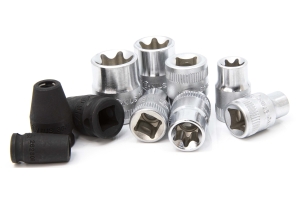
Impact sockets are made from chrome molybdenum (CR-MO) for flexibility under high torque. Their thicker walls and dull black finish distinguish them from standard sockets. Only use impact-rated sockets with power tools to avoid shattering.
Socket Longevity Tips
- Avoid using standard sockets on impact wrenches
- Keep sockets clean and dry
- Use EVA trays for protection and organization
Genius Tools manufactures a wide range of socket geometries, giving pros and enthusiasts the flexibility to handle any torque or clearance challenge with confidence.