Blog
-
Posted: December 22, 2025Read more »
2025 was a big year for Genius Tools, with strong demand for universal socket systems, impact bit sockets, and professional-grade hand tools. Here’s a look at what customers bought most — and why these tools stood out.
Top Sellers of 2025
· US-206S – 6pc 1/4" Dr. SAE Universal Hand Socket Set
· 282504 – 1/4" Dr. 1/8" Hand Socket
· 3476R02 – 3/8" Dr. #2 Phillips Impact Bit Socket (76mm)
· US-307S – 7pc 3/8" Dr. SAE Universal Hand Socket Set
· 3452R02 – 3/8" Dr. #2 Phillips Impact Bit Socket
· 640608B – 3/4" Dr. Impact Adapter, 3/4"F × 1"M
· 253510 – 1/4" Dr. 10mm Universal Hand Socket
· 3460S30 – 3/8" Dr. T-30 Star Impact Bit Socket
· 560425 – Wheel Balancing Weight Hammer Pliers
· 484468P – 1/2" Dr. Flex Head Ratchet, 72T, 25.5"
· DE-704S – 4pc SAE Extra-Long Box End Wrench Set
Why These Tools Dominated 2025
Tool buyers gravitated toward products that solved real-world repair
-
Posted: December 15, 2025Read more »
Socket markings give technicians essential information about compatibility, intended use, safety ratings, and material strength. Knowing how to decode these markings allows users to select the right tool, avoid mismatches, and understand the engineering behind their sockets.
Drive Size & Measurement
Each socket is marked with its drive size (1/4", 3/8", 1/2", etc.) and its fastener size (metric or SAE). High-quality sockets feature deep, corrosion-resistant laser engraving or stamping for long-term visibility.
Material Codes
CR-V stands for Chrome Vanadium steel - Strong and ideal for hand sockets and wrenches. CR-MO stands for Chrome Molybdenum - A tougher, more ductile alloy required for impact-rated sockets.
Impact Rating & Finish
Impact sockets often use a black phosphate or oxide coating to differentiate them from chrome-finished hand sockets. Only sockets marked as CR-MO or IMPACT should be used with pneumatic or electric impact tools.
Stamping Standards & Traceability
Premium sockets
-
Posted: December 08, 2025Read more »
The best tool gifts combine practicality, durability, and long-term value — and Genius Tools delivers on all three. Every item in this list is a confirmed SKU from the GT-19 catalog, ensuring accuracy and relevance to real Genius Tools shoppers.
V38200 – 3/8" Dr. Digital Torque Wrench (20–200 Nm)
A premium digital torque wrench offering exceptional accuracy, ideal for precision work such as wheels, brakes, engine assembly, and suspension components.
CW-404MS – 4pc Car Wheel Thin Wall Deep Impact Socket Set
A professional-grade thin-wall CR-MO impact socket set designed for alloy wheels and tight-clearance applications. A top choice for tire, wheel, and suspension work.
US-209M – 9pc 1/4" Dr. Metric Universal Hand Socket Set (12-Point)
A compact universal socket set perfect for motorcycles, small engines, dashboards, and interior fasteners. Excellent for mobile mechanics or limited-space toolkits.
780192 – Adjustable Wrench, 28mm Jaw Capacity, 7.8"
A durable and highly versatile adjustable
-
Posted: November 17, 2025
 Read more »
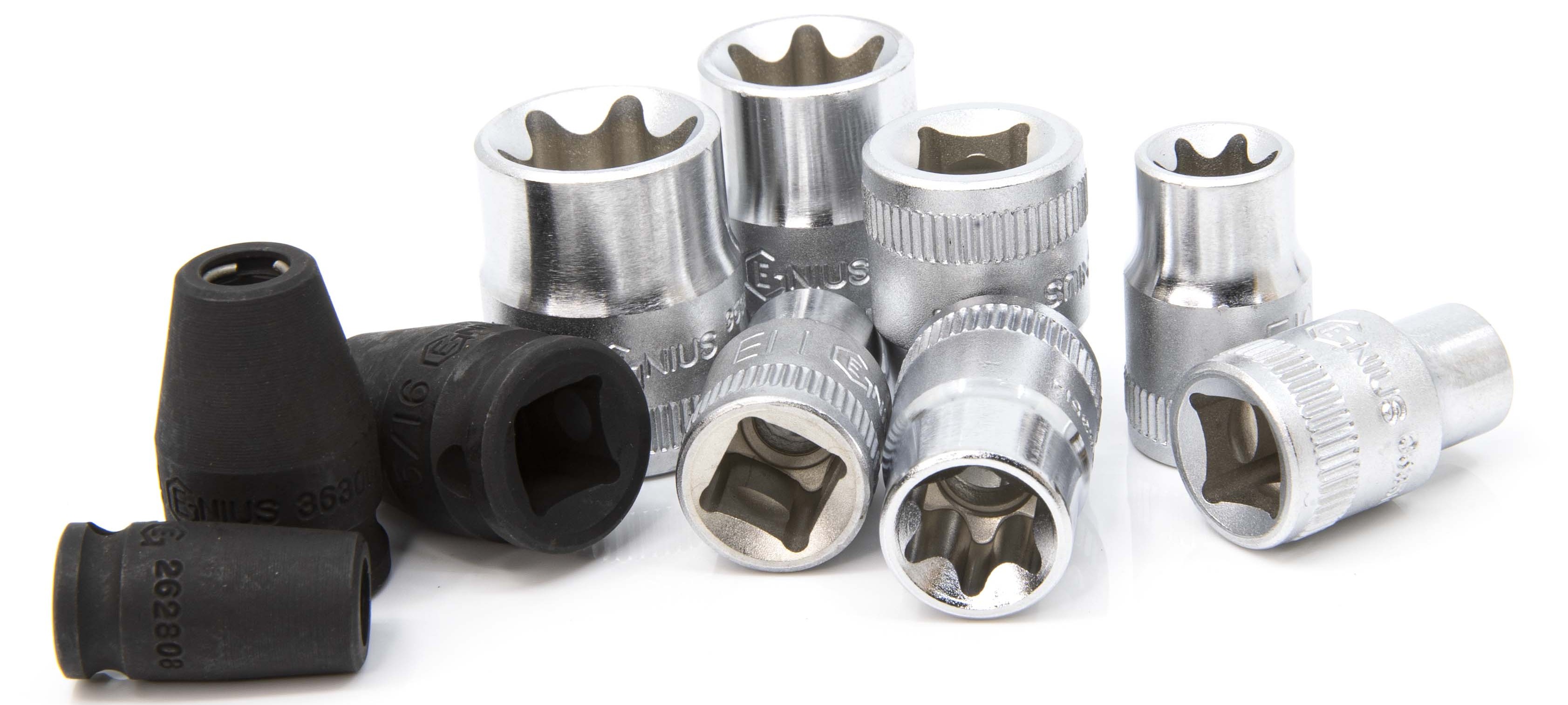
Tool steel matters. When you're applying force — especially with power tools — the composition of your sockets or wrenches can mean the difference between a clean job and a shattered socket. Two of the most common materials are Chrome Vanadium (CR-V) and Chrome Molybdenum (CR-MO). Here’s how they compare and when to choose each.
Chrome Vanadium (CR-V): Balanced Strength
CR-V is the go-to material for hand tools like combination wrenches, standard sockets, and screwdrivers. It offers a solid blend of hardness and toughness, with good corrosion resistance thanks to its chromium content. CR-V tools are affordable, durable, and great for general-purpose applications.
Chrome Molybdenum (CR-MO): Shock-Resistant for Impact
CR-MO is tougher and more ductile, making it ideal for tools exposed to sudden force — like impact sockets or pneumatic tool attachments. The molybdenum in CR-MO improves heat and fatigue resistance, which is why CR-MO tools are often thicker-walled and finished in black oxide.
-
Posted: November 03, 2025Read more »
Limited on space? That doesn’t mean you have to be limited on capability. With a smart layout and the right storage tools, even the smallest garage can become a highly efficient workspace. Here’s how to make the most of your space using Genius Tools drawer systems and organizers.
Start with Vertical Thinking
Wall-mounted pegboards, display stands/boards, hanging shelves, and tool bars help reclaim floor space and put your most-used items within arm’s reach. Consider a wall-mounted magnetic socket tray from Genius Tools to keep high-frequency sockets easily accessible without cluttering your drawers.
Drawer Systems That Work Smarter
Genius Tools drawer chests are designed for compact efficiency. Shallow drawers work best for sockets and bits, while deeper drawers can store impact wrenches, cordless tools, and heavier items. Stackable designs and integrated locks help secure your tools without taking over the room. For small spaces that need to be cleared when the work is done, portable
-
Posted: October 29, 2025
 Read more »
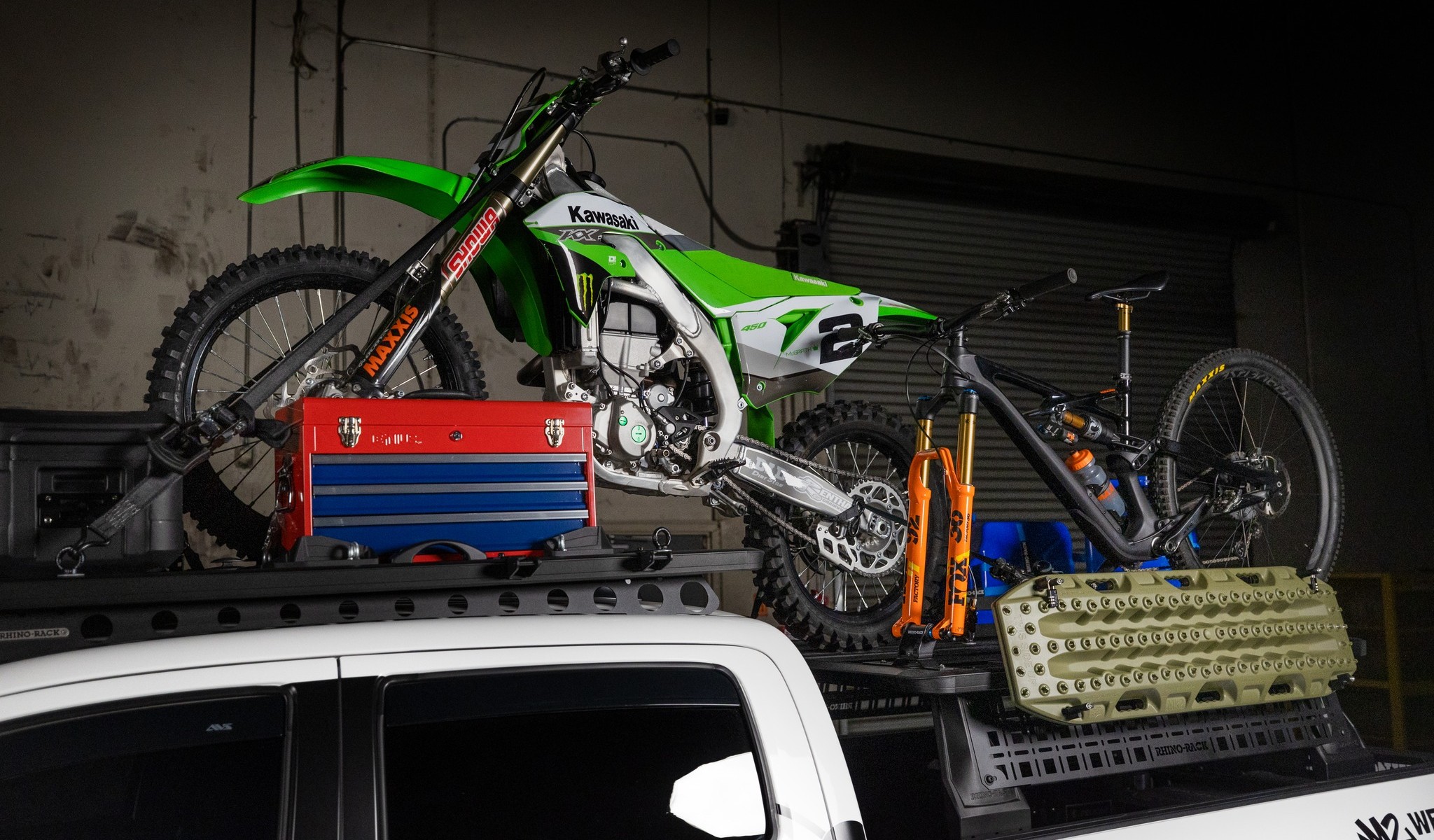
Motorcycles are compact, high-performance machines — and maintaining them requires tools that match. Whether you're a weekend cruiser or a serious DIY tuner, these five Genius Tools picks are perfect for home garage motorcycle work.
1. 3/8" Drive Socket Set
Motorcycle fasteners tend to be small but high-torque. A 3/8" drive socket set gives you the reach and precision to work on engines, wheels, and fairings. Look for sets with shallow and deep sockets, plus extensions for tricky spots.
2. Hex & Torx Bit Sets
Most modern bikes use hex and Torx bolts — especially on fairings, brake components, and handlebar assemblies. A full S2-steel bit set ensures you don’t round out these precision fittings.
3. Low-Range Torque Wrench
Over-tightening on bikes can be catastrophic. A 1/4" or 3/8" torque wrench with low-range torque readings (5–60 ft-lbs) is a must for working on axles, calipers, and engine bolts.
4. Compact Hex Key Set
A fold-out hex key set fits under your seat or in a tailbag, making
-
Posted: October 15, 2025
 Read more »
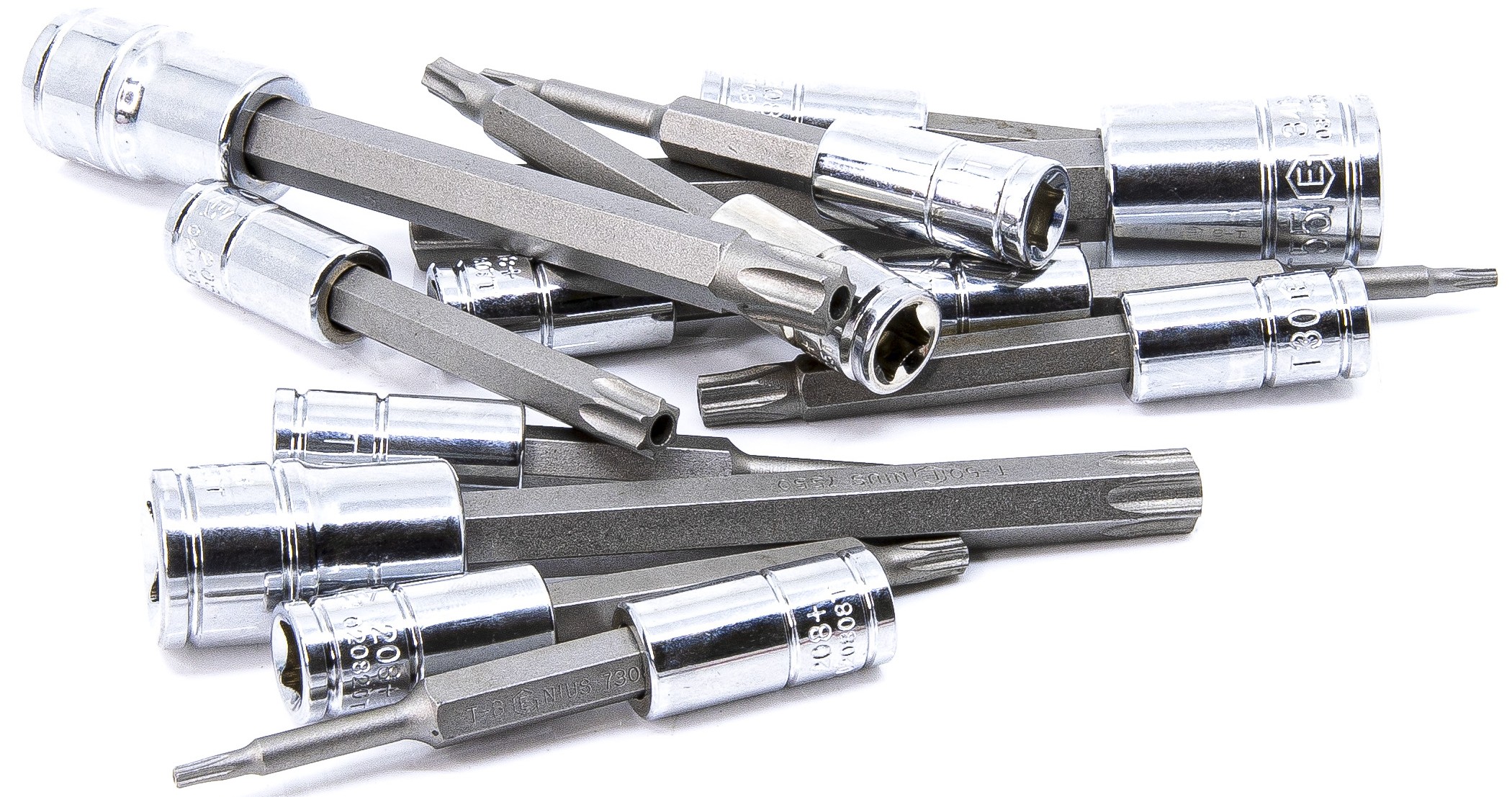
Bit sockets are small — but they take big punishment. Used for fasteners in engines, brakes, electronics, and more, they often endure high torque loads that can cause snapping, twisting, or premature wear. Here's why bit sockets fail and how Genius Tools designs help prevent it.
Common Causes of Bit Socket Failure
- Applying too much torque for the bit size
- Using power tools with non-impact bits
- Misalignment or cam-out during fastening
- Poor material or heat treatment
- Excessively long reach designs with flexingThe Role of S2 Steel
Genius Tools uses premium S2 alloy steel steel for applicable bit sockets — an industry-standard known for high hardness and torsional strength. Properly treated S2 bits resist twisting and tip deformation under load, even with repeated use.
Retention Design Matters
Bit sockets should grip fasteners securely without wobble or play. Genius Tools offers both magnetic and friction-fit options to reduce slippage and improve alignment. Many bit sockets also
-
Posted: October 01, 2025
 Read more »
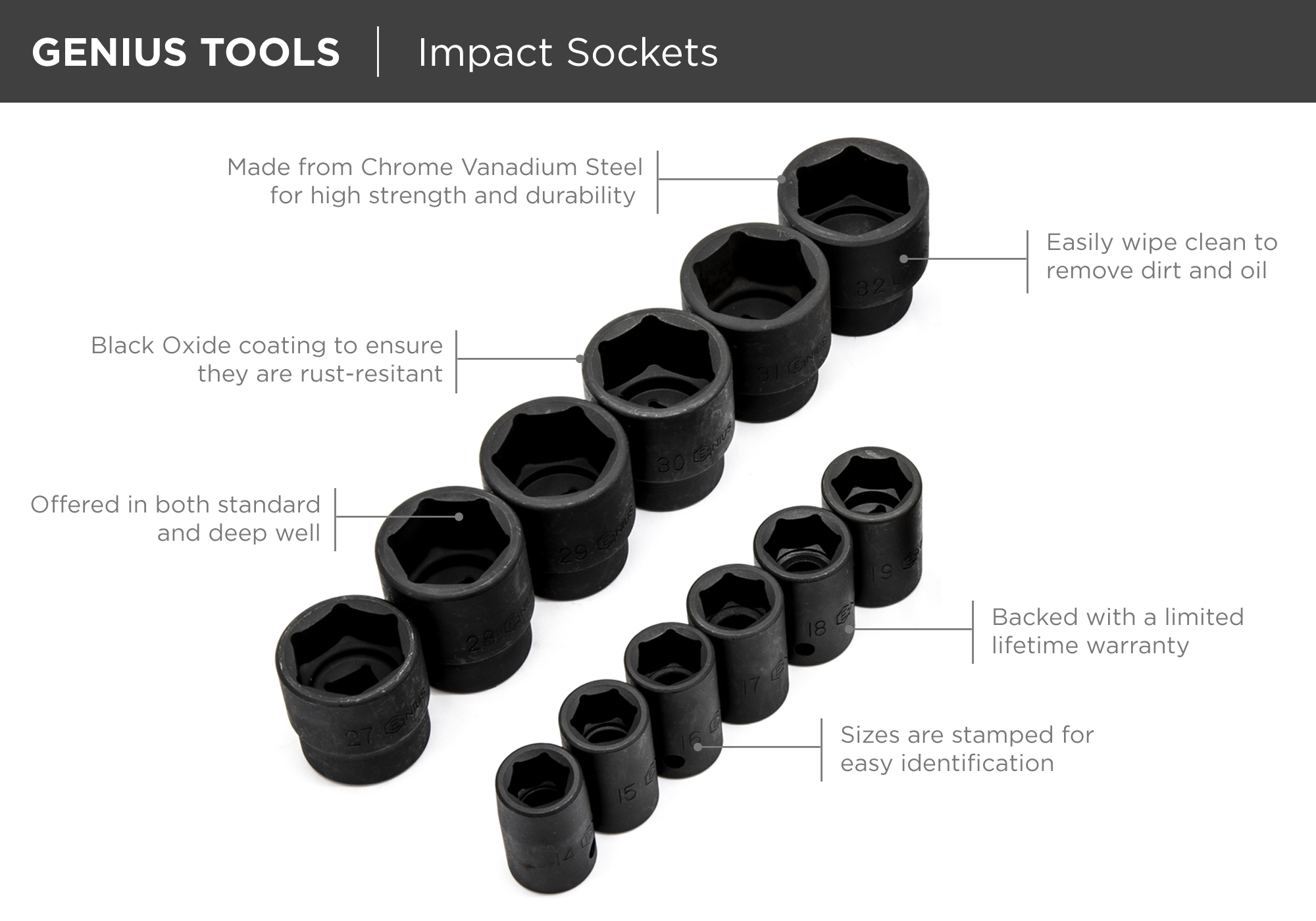
In high-torque environments, using the wrong socket can be more than inefficient — it can be dangerous. Impact sockets are specially designed for power tools like air impact wrenches, and they’re essential for protecting both your tools and yourself. Here's why impact-rated sockets matter and what makes Genius Tools' CR-MO options a shop essential.
Standard Sockets vs. Impact Sockets
Standard sockets are made from chrome vanadium (CR-V) steel and are designed for hand tools. They’re hardened for wear resistance, but this makes them brittle under shock loads. Impact sockets, by contrast, are made from chrome molybdenum (CR-MO), a more ductile alloy that flexes slightly under heavy force to prevent cracking or shattering.
Black Finish = Safety Signal
Impact sockets have a distinctive black oxide or phosphate finish — not just for aesthetics, but to help mechanics instantly identify them for pneumatic use. Using a CR-V socket on an impact gun can cause violent failure and tool damage.
Why
-
Posted: September 20, 2025
 Read more »
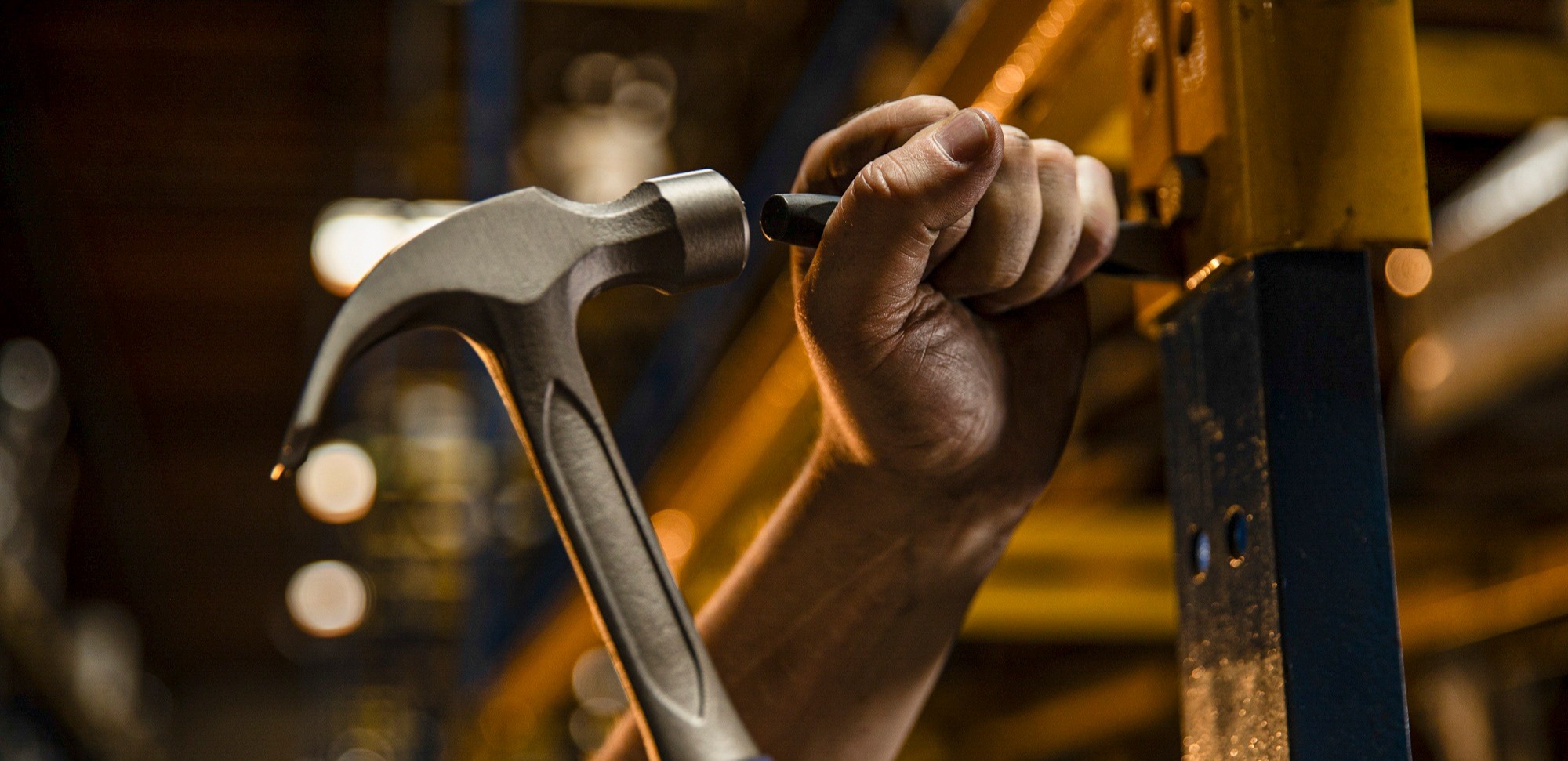
From metal fabrication to carpentry and engine repair, hammers are one of the most versatile tools in any toolbox — but only when you're using the right one. Using the wrong hammer can damage workpieces or lead to injury. Here’s how to choose the best hammer for your task and what Genius Tools offers for each category.
Ball Peen Hammers – Made for Metal
Ball peen hammers are essential for metalworking, especially in automotive and fabrication jobs. The rounded end is perfect for peening rivets, shaping metal, or striking punches and chisels. Genius Tools offers models with balanced handles and hardened steel heads for professional durability.
Drilling Hammers – Compact Power
Also known as engineers’ hammers, drilling hammers pack a heavy punch in a compact size. They’re ideal for driving chisels, breaking through stubborn parts, or working in confined spaces where a full sledgehammer won’t fit. Look for Genius’s 2.5 lb model for a perfect balance of force and control.
Claw Hammers – The
-
Posted: September 10, 2025
 Read more »
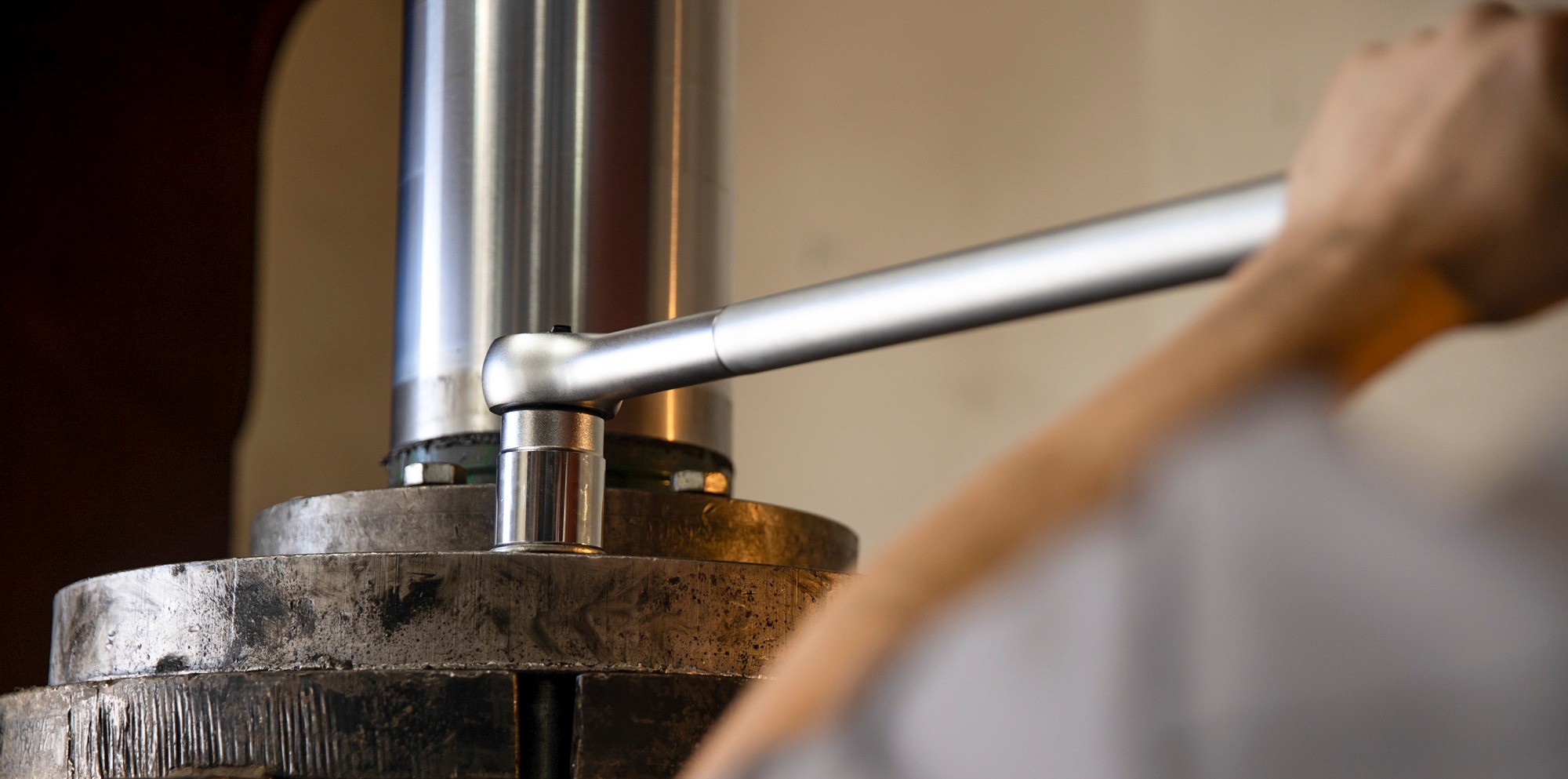
Torque tools are precision instruments, and like any precision equipment, they require proper care to perform consistently. Whether you're using click-type wrenches, torque multipliers, or digital models, following best practices can dramatically extend their lifespan and ensure accurate readings. Here’s how to maintain your torque tools for long-term performance.
1. Understand Calibration Schedules
All torque tools should be calibrated regularly — at least once a year or every 5,000 cycles, whichever comes first. Calibration ensures your readings stay within specified tolerance ranges and meet industry or safety requirements. For high-usage shops, consider quarterly calibration intervals.
2. Store Tools Properly
Always store torque wrenches in a protective case or EVA foam tray, away from moisture and dirt. For click-type wrenches, reduce the setting to the lowest torque value before storing to release spring tension. Never hang torque tools by their handles or leave them in drawers unprotected.