Understanding Chrome Vanadium vs Chrome Molybdenum Steel in Tools


Tool steel matters. When you're applying force — especially with power tools — the composition of your sockets or wrenches can mean the difference between a clean job and a shattered socket. Two of the most common materials are Chrome Vanadium (CR-V) and Chrome Molybdenum (CR-MO). Here’s how they compare and when to choose each.
Chrome Vanadium (CR-V): Balanced Strength
CR-V is the go-to material for hand tools like combination wrenches, standard sockets, and screwdrivers. It offers a solid blend of hardness and toughness, with good corrosion resistance thanks to its chromium content. CR-V tools are affordable, durable, and great for general-purpose applications.
Chrome Molybdenum (CR-MO): Shock-Resistant for Impact
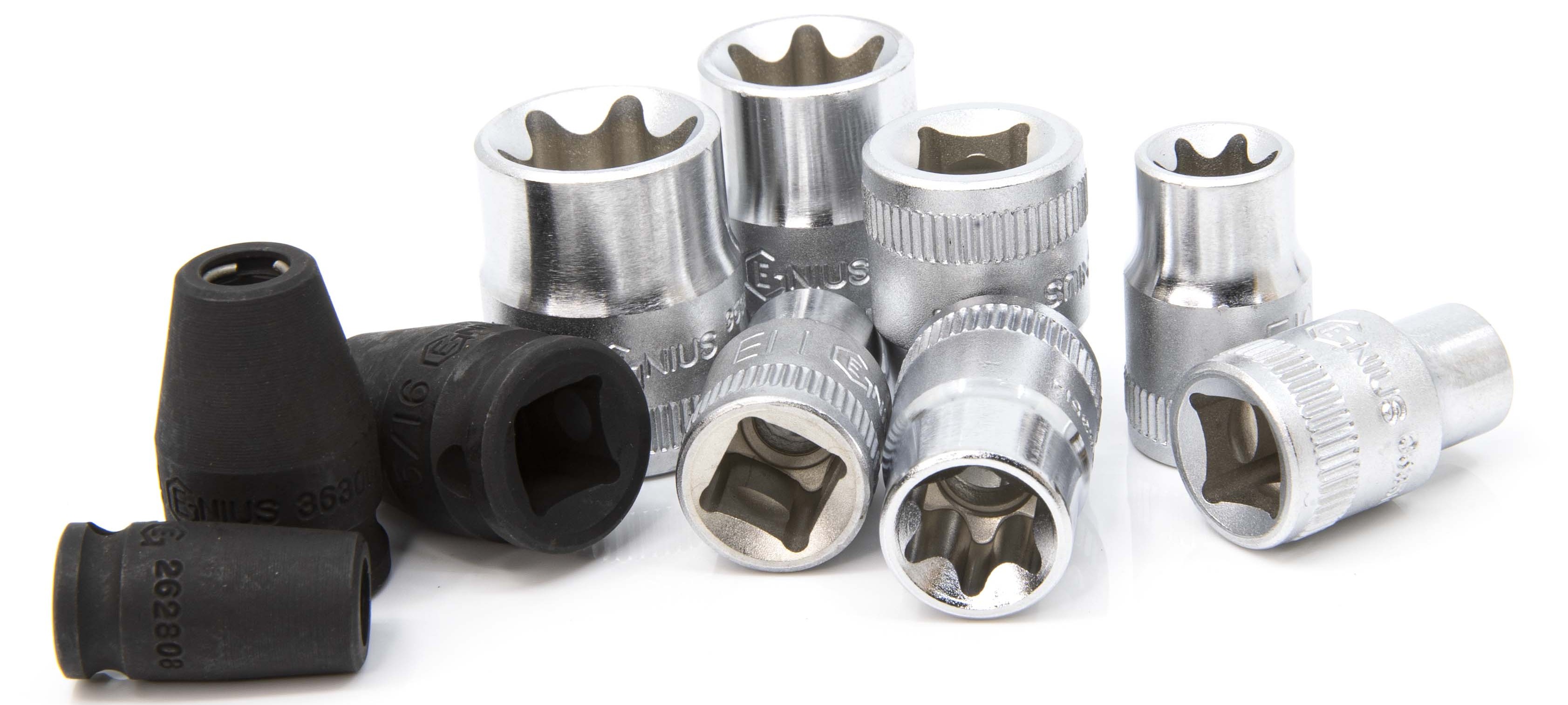
CR-MO is tougher and more ductile, making it ideal for tools exposed to sudden force — like impact sockets or pneumatic tool attachments. The molybdenum in CR-MO improves heat and fatigue resistance, which is why CR-MO tools are often thicker-walled and finished in black oxide.
When to Use Each
- Use CR-V for: Hand tools, everyday repairs, lower torque applications.
- Use CR-MO for: Air tools, impact wrenches, high-torque or high-frequency work.
Genius Tools manufactures both CR-V and CR-MO products — each material selected specifically for the tool's purpose. Always check the tool rating and use the correct material for the job to avoid wear, fatigue, or failure.