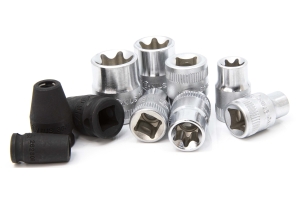
Bit Socket Failures in High-Torque Applications: Causes and Prevention


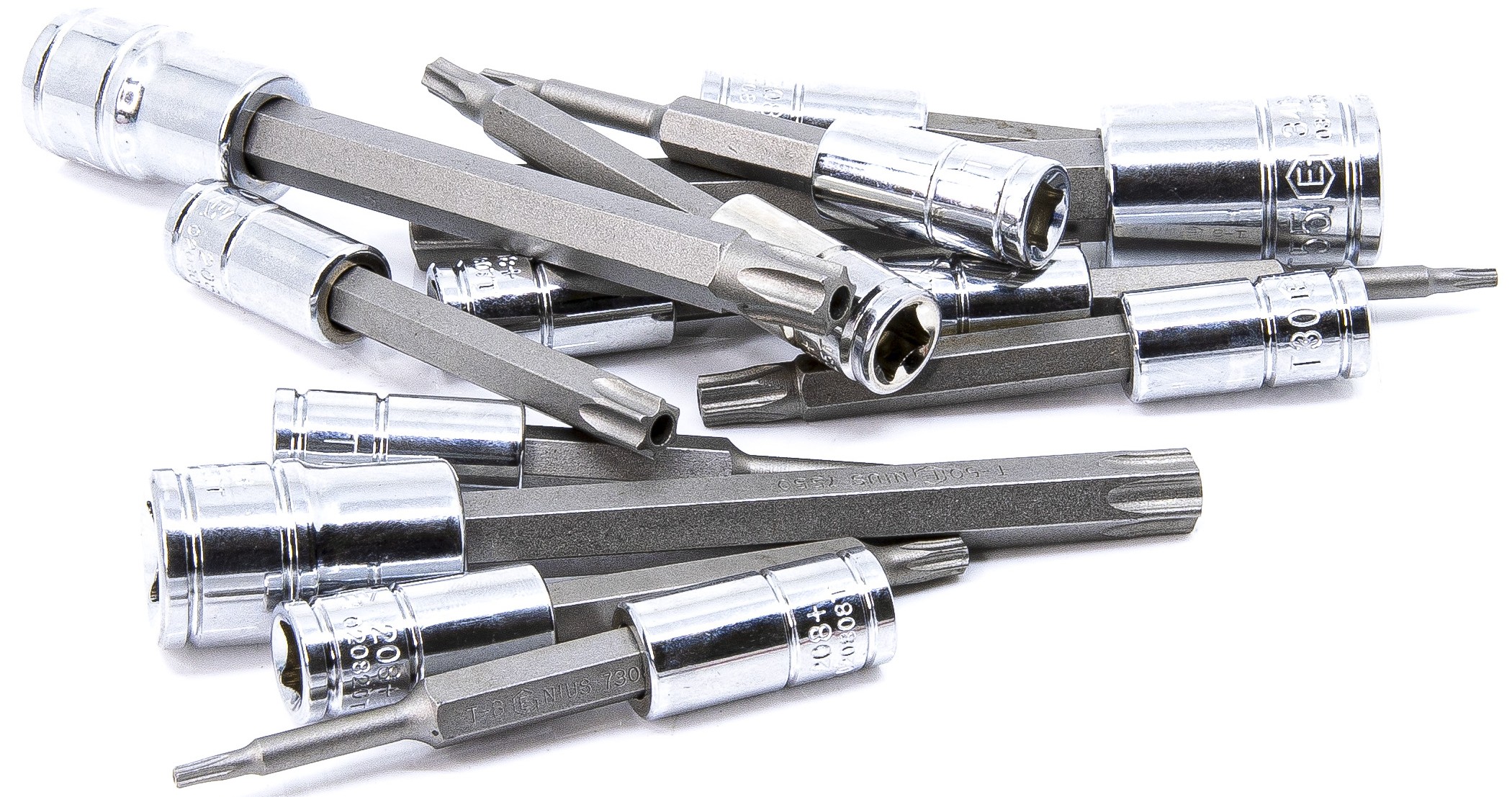
Bit sockets are small — but they take big punishment. Used for fasteners in engines, brakes, electronics, and more, they often endure high torque loads that can cause snapping, twisting, or premature wear. Here's why bit sockets fail and how Genius Tools designs help prevent it.
Common Causes of Bit Socket Failure
- Applying too much torque for the bit size
- Using power tools with non-impact bits
- Misalignment or cam-out during fastening
- Poor material or heat treatment
- Excessively long reach designs with flexing
The Role of S2 Steel
Genius Tools uses premium S2 alloy steel steel for applicable bit sockets — an industry-standard known for high hardness and torsional strength. Properly treated S2 bits resist twisting and tip deformation under load, even with repeated use.
Retention Design Matters
Bit sockets should grip fasteners securely without wobble or play. Genius Tools offers both magnetic and friction-fit options to reduce slippage and improve alignment. Many bit sockets also feature knurled collars for better hand control.
To get the most from your bits, always match the bit to the torque level and fastener material. Use impact-rated bits where needed, and inspect regularly for wear.