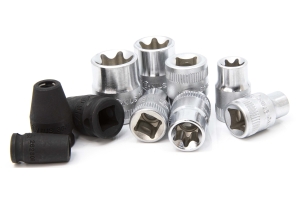
Understanding Drive Sizes: 1/4", 3/8", 1/2", and Beyond


When working with hand or power tools, selecting the correct drive size is key to efficiency and safety. Drive size determines how much torque you can apply, how compact your setup is, and whether your tools will even fit the job. In this article, we’ll explore the most common drive sizes — 1/4", 3/8", 1/2", and beyond — and where each one shines in real-world mechanic work.
1/4" Drive – Precision for Tight Spaces
Best for low-torque, high-precision jobs, the 1/4" drive is perfect for electronics, dashboard components, and small engine assemblies. It excels in tight spaces and offers better control with lighter fasteners.
3/8" Drive – The Versatile Middle Ground
This is the go-to drive size for general automotive repairs. From valve covers to spark plugs and general under-hood work, a 3/8" drive provides the perfect blend of strength and accessibility.
1/2" Drive – Torque for Suspension & Wheels
When it comes to heavy-duty applications like lug nuts, suspension bolts, and drivetrain work, a 1/2" drive is the standard. It handles higher torque and fits most larger sockets with ease.
Larger Drive Sizes – 3/4" and 1" Drive
Used primarily in industrial or fleet maintenance, these massive drives handle extreme torque loads — think trucks, tractors, and heavy equipment. While not common in home garages, they're indispensable in heavy industries.
Matching Drive Size to Application
Choosing the right drive size depends on:
- Torque required
- Fastener size
- Available working space
- Tool weight and balance
Genius Tools offers socket and ratchet sets in all common drive sizes, so you can match the right tool to the right job without compromise.